Darke Matter, by Rick Gekoski

“When you understand that all things are the same, you are on the road to wisdom, and nothing is more fruitless and sour than that.”

“‘We suffer from loss, and are facing it. And we have, in our inchoate way, a yearning to understand what cannot be understood, to accept what is unacceptable, and to acquire some small modicum of wisdom that may guide us.'”

“‘Few of us practise a religion, though we are occasionally and ceremonially observant. The absence of faith is regrettable, for there was considerable solace embedded in the structures and strictures that our forebears practised and in which they believed. […] nothing can replace religious faith. It’s like virginity. Either you have it or you have to do without it. And scepticism and irony are such thin soup …'”

“In the last months I’d sought ethical advice: enlisted Plato, sniffed up a bit of Kant, repaired to the blessed Hume. They scratched their heads furiously, and little flakes of wisdom fell off. Philosophy is the dandruff of hard thinking. I brushed it off. I ggave a shrug of doubt that Descarted would have been proud of …”

“[…] boys like simple answers, and endings. I should have provided one, that’s what people understand and need. Whereas asll I offered is yet another example of the fact that life is a blasted heath of ill-understood obbligations and motives, inadequate actions and reactions, improbable explanations and diagnoses. How do I say this, without examplifying it?”

There was so much in this book that was able to articulate frustrations I have been feeling lately, in particular working where tick boxes and SOPs are needed for EVERYTHING, where people stick to the script even though it seems obvious that it would be BEST to not stick to it at this stage. Yet explaining the why it would be best, as it’s coming out, leads to some people doubling down on their need for the SOP life raft. So much we continue to plough through rubble to clear a path through the next rubble.

Yesterday the Simon and Garfunkel song ‘Song or the Asking’ came into my head. I played it and sobbed my heart out. Clearly I needed it There’s no explanation there, no teaching it, just a feeling. What would we do without the arts? How sick would we be? And yet there is no way to adequately explain how and why we need it, not without someone wanting to strip it down and sell it or create an SOP out of it. Or sharing it in an attempt to connect with someone to be met with blankness, or worse – couldn’t-care-lessness, I will talk about myself now while I share my shiny ‘Time to talk/Be Kind’ bullshit buttons on my socials.

I have become so cynical and unpleasant over the last 12 months or so. I can feel it. I Googled for help – a type of burn-out. Hoping a change of job, new challenges, new environments and working with the complexity that is people, will be the remedy (hopefully a large part of it) to the blatantly meaningless processes I’ve been doing for too long.

Burnout is a phrase that comes up a lot, often thought of as resulting from working too long, high pressure work, not enough sleep etc. But there are different types of burnout. I definitely don’t work too many hours, I have an enviable work-life balance. Burnout can result from being under-challenged as well as overloaded, and that’s certainly the case for me. When I started my job there was a lot of challenge for me – just working as part of a large team, working inter-departmentally, answering the fucking phone! It’s ok that I’m needing a next thing – is my grump really due to this? I think so, it’s been two years too long.

For a while I felt empowered, on the road to wisdom, libido transformed from the sexual energy of youth, the creative drive to reproduce, into a drive to create visual arts, writing. Not a loss of drive but a reining in, more control. The energy was flowing.

Then last year I noticed: I’d stopped singing in the car. An absence of wanting to sing. I though, I’m getting older, perhaps I need more energy for other things. I felt sad about it.

Well, this morning I SANG! I cried and was relieved. A sang because I needed to, the energy as there. The energy I described as passion, the libido described by Jung, it is still there, but it’s fleeting. Without an attachment to knot to, can I keep it? My Magical Other was my anchor. Can the anchor be creation itself?

What I ultimately got from reading Darke Matter was that much of the art that interests me is about death. I’m terrified of death, I think it’s a huge cosmic joke, a terrible mistake that we have this awareness, yet I chose a road to awareness. Now I’m like a rabbit in the grim reaper’s glare. Perhaps I need to scamper off into the verge again. In the face of it we keep to our SOPs because why not?

The number of artists creating about death, they are doing it against the same threat, they’re just able to use it to create. I’m afraid I will use stagnate. Can I join them? Do I have that strength?

Creation is the only way. Perhaps I should ‘be kind’ and concede that this may include SOPs. And moments.

The news isn’t helping. Trump, Musk, Farage – I’m terrified of vomiting but gladly pass me a bucket. Cosmic joke indeed.

Turning 40 this year and I hope it might come with a boost. If my libido is not as free-flowing as it was, I am glad I was able to create something in the short time I was able. Can I use the memory of those times, passion by proxy, to keep going? Remembering feelings without feeling them – that’s imagination, that’s CREATION.

Desire without an object?!- the object can be anything, even the will to create. I have tools, time (hopefully), health, liberty. Can this coming decade be the one where freedom doesn’t come with the burdens of feeling the need to be liked, to feel a certain way, to look a certain way?

Perhaps it’s a combination of the burnout plus bereavement that’s led to this blanket lack of feeling. Tired, under pressure (a lot of it self inflicted – deadlines over spontaneous creation – I’ve become an SOP). I hope my flow returns, that shining light in my chest when finishing a poem or a painting that just clicks my heart strings to let me know:

YES

That’s it.

It’s feels like Cyndi Lauper singing ‘I Drove All Night’
The Best Minds, by Jonathan Rosen

‘“They’re called frontal lobes”.
I laughed but he did not. It was a simple fact, he said, that the brain had evolved in stages and the parts fit together badly. Thinking caused anxiety the way walking upright caused backache. Our ability to remember the past, imagine the future, and use language, all recent acquisitions, did not mesh well with ancient regions of the brain that had guarded us for eons, knew only the present, and did not distinguish between imaginary fears and real trouble.

Fair enough, but why was it my frontal lobes’ fault if the primitive portion of my brain was too drunk on limbic moonshine to distinguish between real and imaginary monsters?

Because, he told me, there is no difference between real and imaginary monsters, just as there is no difference between the past and the future: neither exists. […] I had better realise that the brain isn’t an intellectual, any more than the stomach is a gourmet. The brain is the body, and the body lives in the present, which is all there is.’

There’s so much thinking and writing about this book I would like to do. It’s quite an achievement, the range of aspects brought together pertaining to the politics and perception of mental illness across decades in the United States. He combines philosophy, psychology, psychiatry, theology, literature, academia, sociology, among many other things, all woven into a story of a friendship. It’s quite astonishing. I’ve not finished it yet, my mind is spinning. It’s a slow read as I am needing to really focus. It’s breadth has had me wondering whether I can keep up at all. It’s in no way dry, Rosen’s language is captivating and memorable, maddening at times until it’s revealed as the perfect preface to the next paragraph. I’m gutted I’ve borrowed the book from the library as I’ve been unable to annotate and I’m sure there are important quotes I wanted to record here. I may have to buy it and skim through it again.

This book has helped more than anything else I’ve read to really understand postmodernism.
‘It dawned on me slowly that modernism meant the whole modern show – including the Enlightenment, empirical science, and rational thought – and postmodernism, which was sometimes called poststructuralism, was its refutation and replacement. […] The beauty of postmodernism was that it erased the world with one hand while rewriting it with the other, allowing you to inherit the authority you discredited like a spoil of war.’

The complexity of people and ideas – Foucault, for example, considered “madness’ a social construct, an excuse to demonise non-conformists, while at the same time considering organic illnesses like AIDS also as social constructs. There’s an equilibrium position here somewhere! And how relevant and important this question is for today’s society. Are societal issues forever confined to a pendulum swinging, with only the outer clock case changing?

Postmodernism and the impact on mental health provision; the influence of the rise of psychoanalytic thought and how quickly, and at the same time so slowly, these ideas influence aspects of society without time for evaluation and modulation at all. Quick in implementation, slow in consideration, perhaps absent in consideration at all until the damage is done.

It’s helping my thoughts to coalesce around the conflict between individual freedom and restraint, and how this is applied in cases of mental illness.

‘[…] the madness in Madness and Civilization wasn’t a medical diagnosis, but a “social construct”, devised in the seventeenth century to enforce the rule of reason by demonising anyone who strayed beyond the boundaries of convention.”

‘I was unclear how you could tell what was real and what was phony if the world was “completely absurd”.’

What I’ve gained most of all is a greater appreciation of the role of arts and literature in accompanying these transitions. How would any reflection be possible without them? It exacerbates my fears regarding the reduction of arts teaching in schools and the consideration of AI-generated image as a legitimate art. What the heck will this do to the pendulum? Stop it altogether, I imagine.

To end on a personal note, I am finding this book at a time following two bereavements and loss of my old ways of coping. My use of fantasy, ‘the magical other’, those mind tricks a therapist helped me to appreciate for the coping strategies they were, and helped me channel them into art-making – well, those mechanisms have gone now. I definitely rode a wave of exaltation from my newfound passions. They are still there of course, but the old wounds do persist and take the shine out of things from time to time. Of course I’ve made too much progress and treasure my creative freedom so much that I know there is no going back, but I have to say that fear of death is ever more present and occasionally I miss the vitality that the magical other gave me. I am glad I was able to record some of that time in poems and pictures.

‘Michael’s madness, woven out of fragments of sanity, had a weird vitality; his recovery, on the other hand, seemed full of pain and sickness. The fragile sanity he left the hospital with felt like an aspect of his illness, a force running counter to the main valence of his mind. The more his head cleared, the more alienated he appeared to be not just from psychosis but from his natural self, so I sometimes felt his medicated lucidity was just a guest inside his schizophrenia […]. Everyone said insight was the key, but the more insightful Michael got, the sadder and lonelier and angrier he became.’

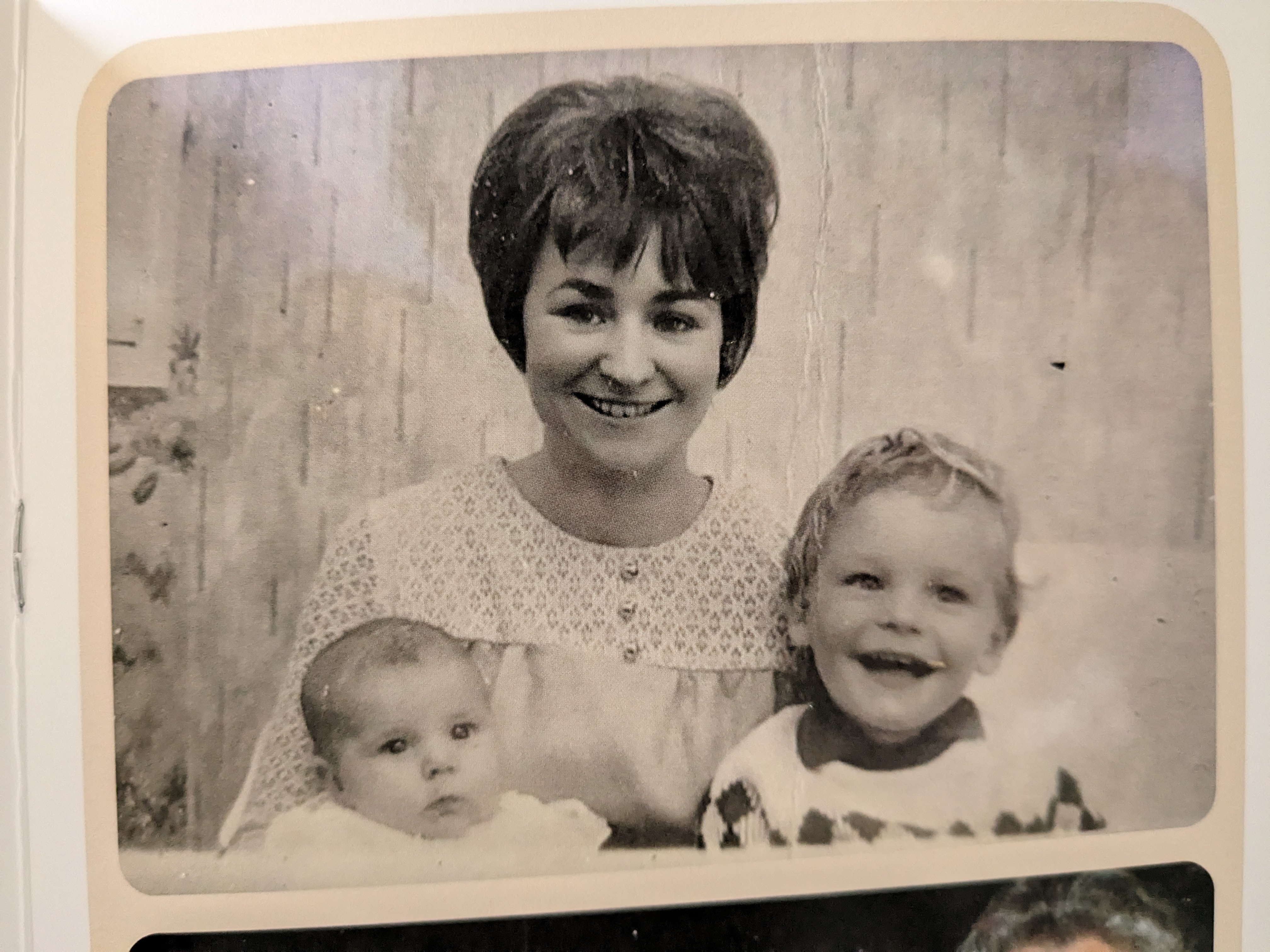
A poem for Nan

To visit you meant eating
sausage rolls and doughnuts,
coffee with milk warmed in a pan,
expanding (like my waistline)


like a comet heated by the sun
like that one we saw in ‘97
from your balcony that Saturday
came round to watch the lotto


made a wish, prayed to heaven
Mystic Meg would make us winners,
Never did tell us those numbers.
We were winners nonetheless.


I know I talk of long-gone times
and not more recent days,
you knitted such a pattern in my childhood
brain a stocking stitch of memories for keeping


warm and cosy like those cardigans you made.
Might need one for this winter.


And what would we have done without
those co-op stamps for Christmas?
Don’t want to say we drank them,
perhaps just one or two


and with each one, a toast to you Nan.
Always did, will always do.


Another comet’s just gone by
too quickly this time,
no longer seen with naked eye.
Perhaps you hitched a ride.


I still hear Heartbeat Nan,
you turned it up so loud.
Just the TV show now
you’ve got to go.


Love you lots,
call when you can.


Ta-ɾa then Nan, ta-ɾa.


I made some connections

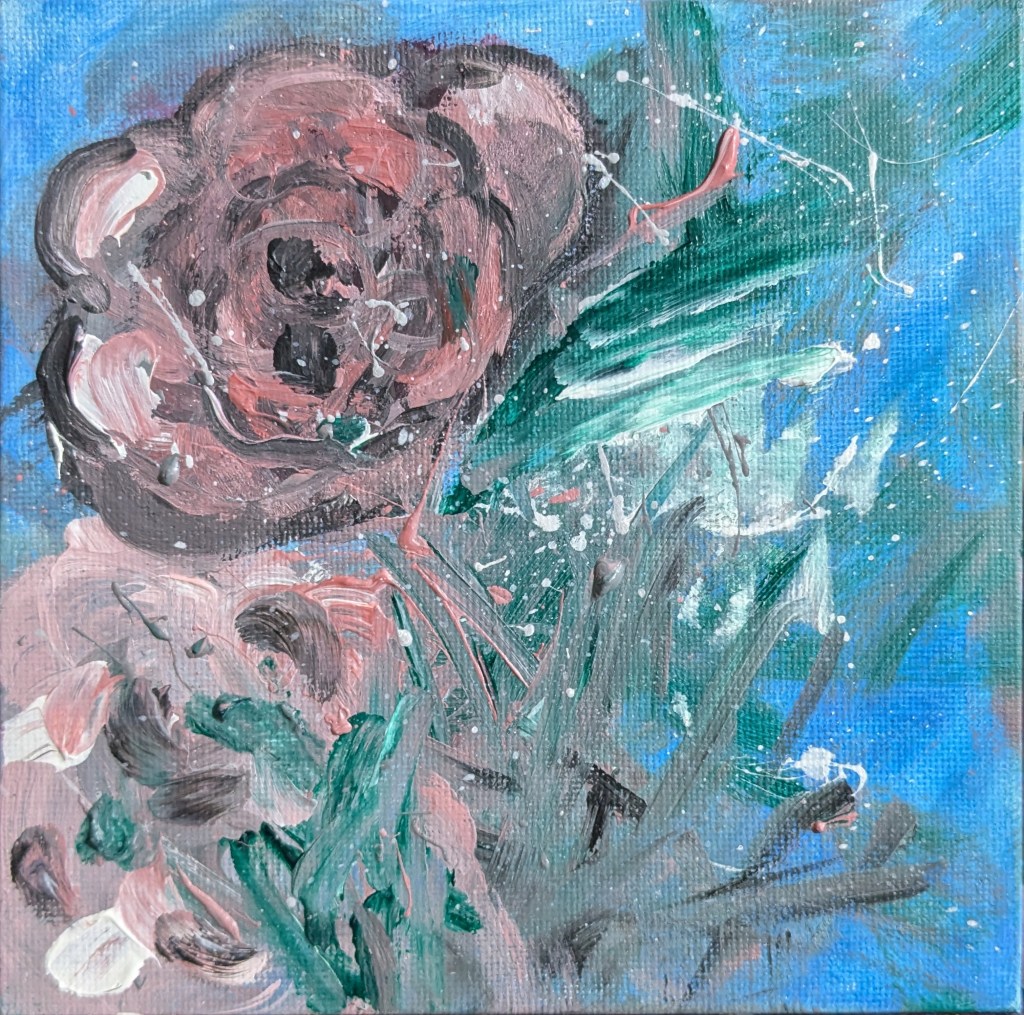
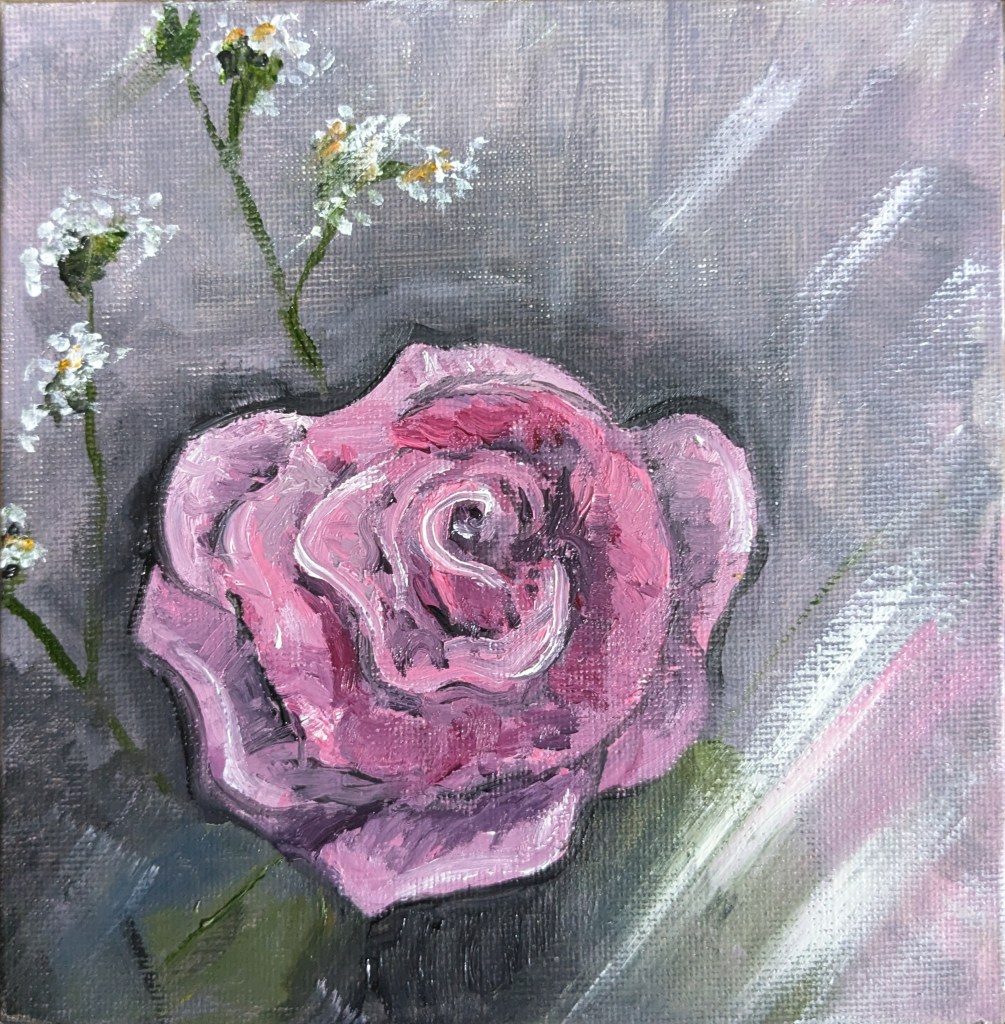
The brain really is fascinating. Yesterday (left) I spent hours trying to paint a rose and wondering how on earth anyone could ever do such a thing. I had no patience for details yet couldn’t figure out how to simplify it. Felt very annoyed and just let myself do whatever.

After sleep and 1 hour of painting I produced something that looks like a rose (right) and most importantly, is finished! Hooray!

It’s like you can really see the result of experimenting and playing in the creation of new neural connections. I am encouraged 💪 Most interesting, it was suddenly easy. I’ve experienced similar before when practicing something on piano and knowing I need to sleep on it for it to come togther. I enjoy seeing it in this visual form.

Would love to hear about those overnight transformations from others. So interesting!

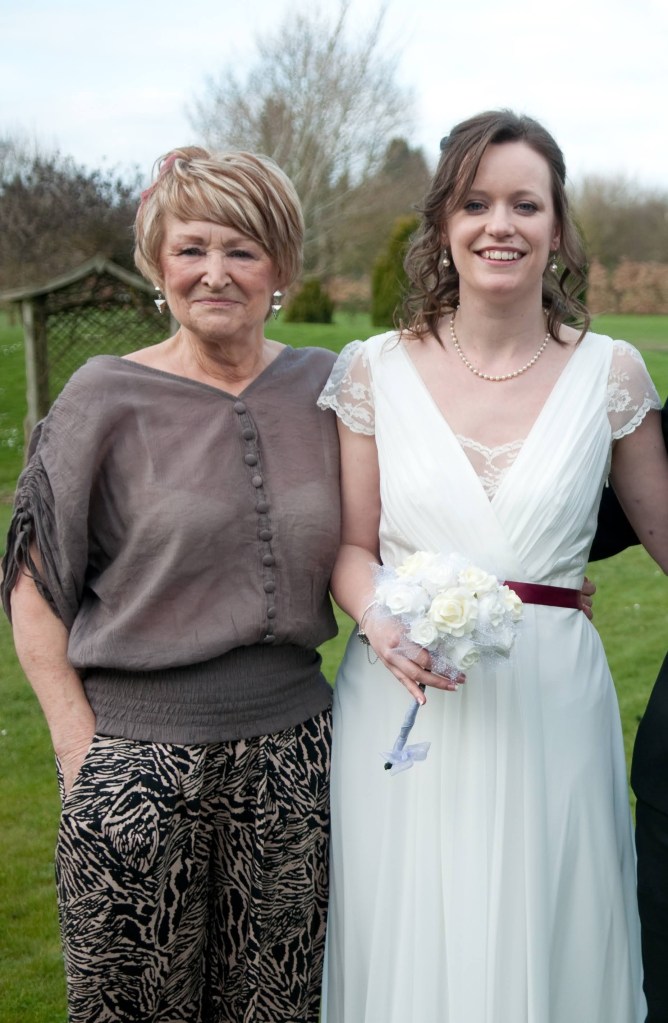
Nanny Margaret

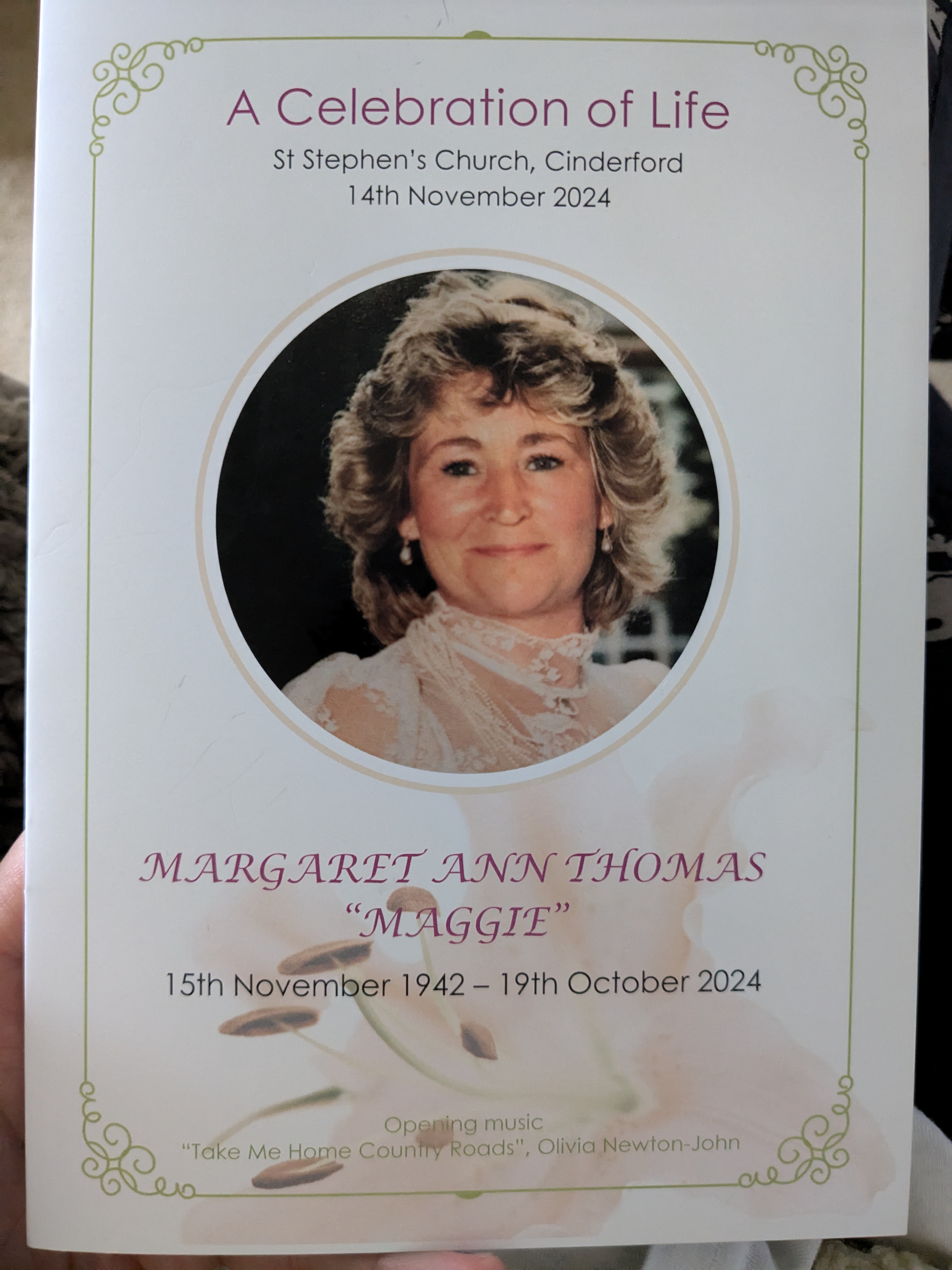
Margaret Thomas, my lovely Nan, passed away peacefully in the early hours of 19th October 2024, three days before the first birthday on which I’d receive no call from her.

“Hiya Fee, it’s only Nan my love.”

No, not ‘only’ Nan. Never ‘only’.

How did we lose you both in 6 months?

How did I have 39 years with you? How can it be over?

Rest in peace Nan. Love you lots xxx

Poems by Fernando Pessoa

(Okay, so I am reading a book of selected poems by Pessoa and aaaaaaaaaaaaaaaaaaaaaah all the feeeeels! No other words right now. Might need to write a poem about all the feels!)

Portugese Ocean

Salt-laden sea, how much of all your salt
Is tears of Portugal!
For us to cross you, how many sons have kept
Vigil in vain, and mothers wept!
Lived as old maids how many brides-to-be
Till death, that you might be ours, sea!

Was it worth while? Was it worth while, all,
If the soul is not small.
Whoever means to sail beyond the Cape
Must double sorrow – no escape.
Peril and abyss has God to the sea given
And yet made it the mirror of heaven.

Dom Sebastiao, King of Portugal

Mad, yes, mad, because I would have greatness
Such as Fate gives to none.
No tamping down in me my sureness;
Therefore, where the sand dwells, the worn
Part of me stopped, not the enduring one.

This my madness, accept it, those who can
Dare whatever it needs.
What, without madness, is a man
More than a beast after feeding,
A corpse adjourned, the half-alive breeding?

Haus of Holbein

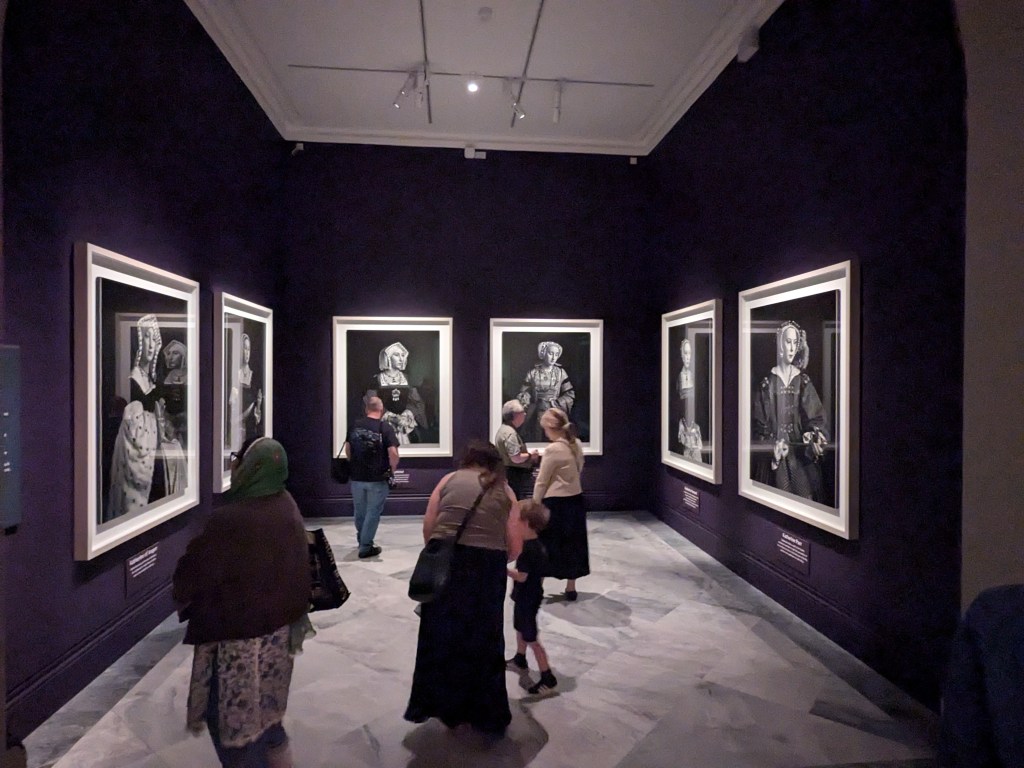
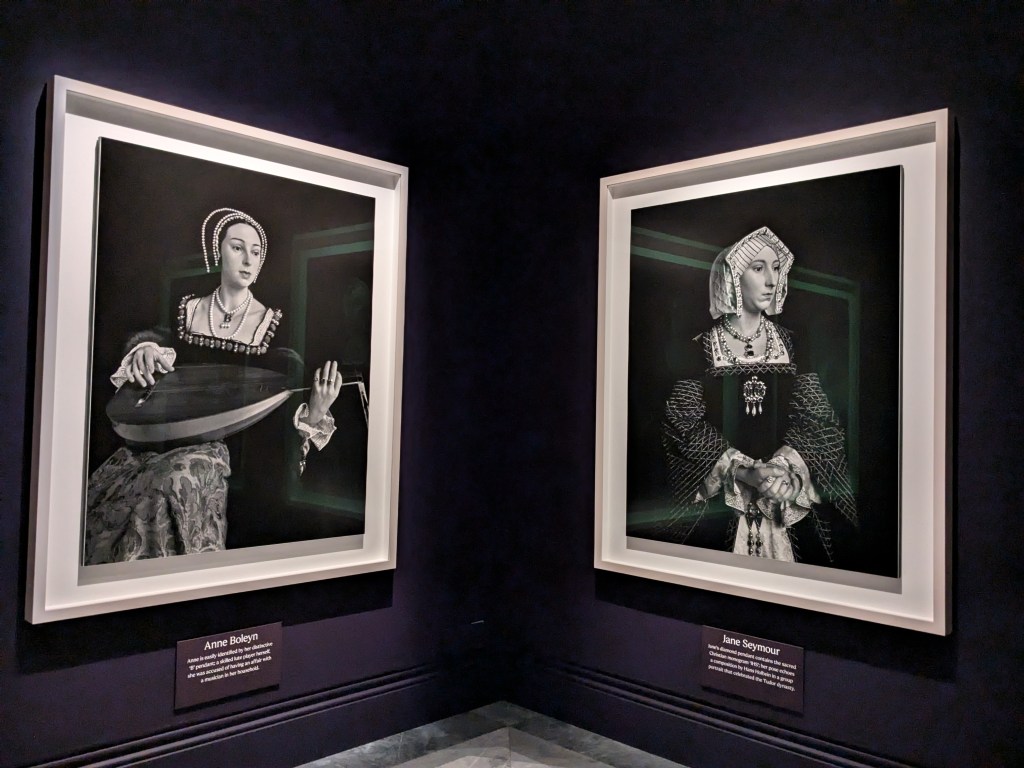
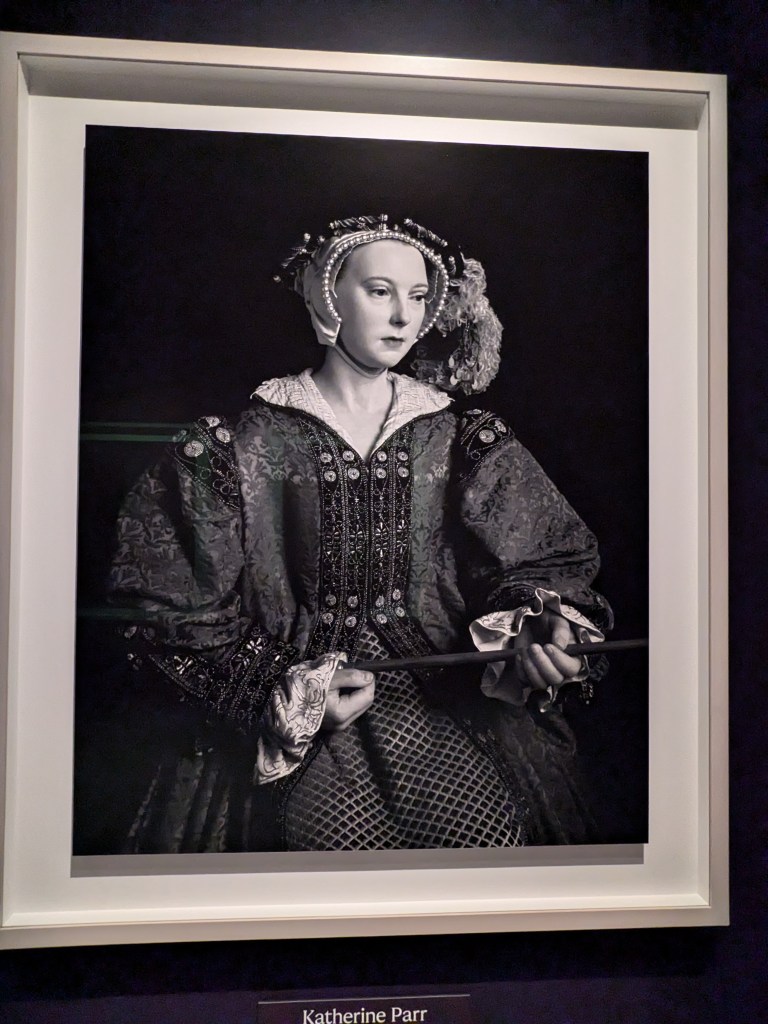
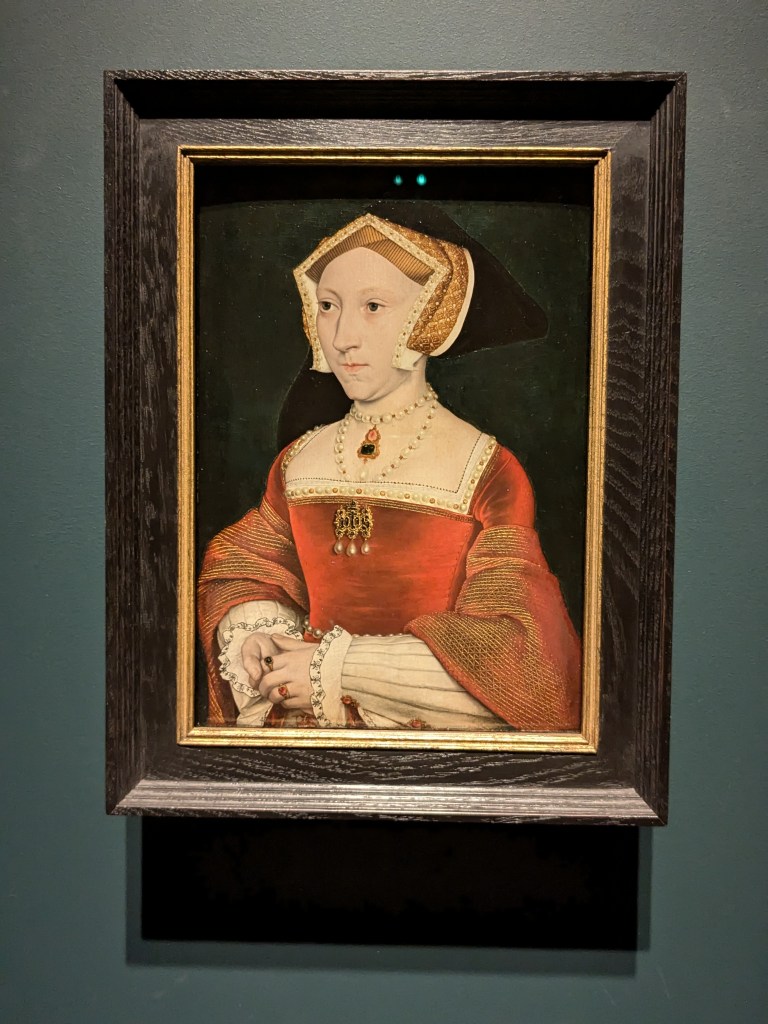
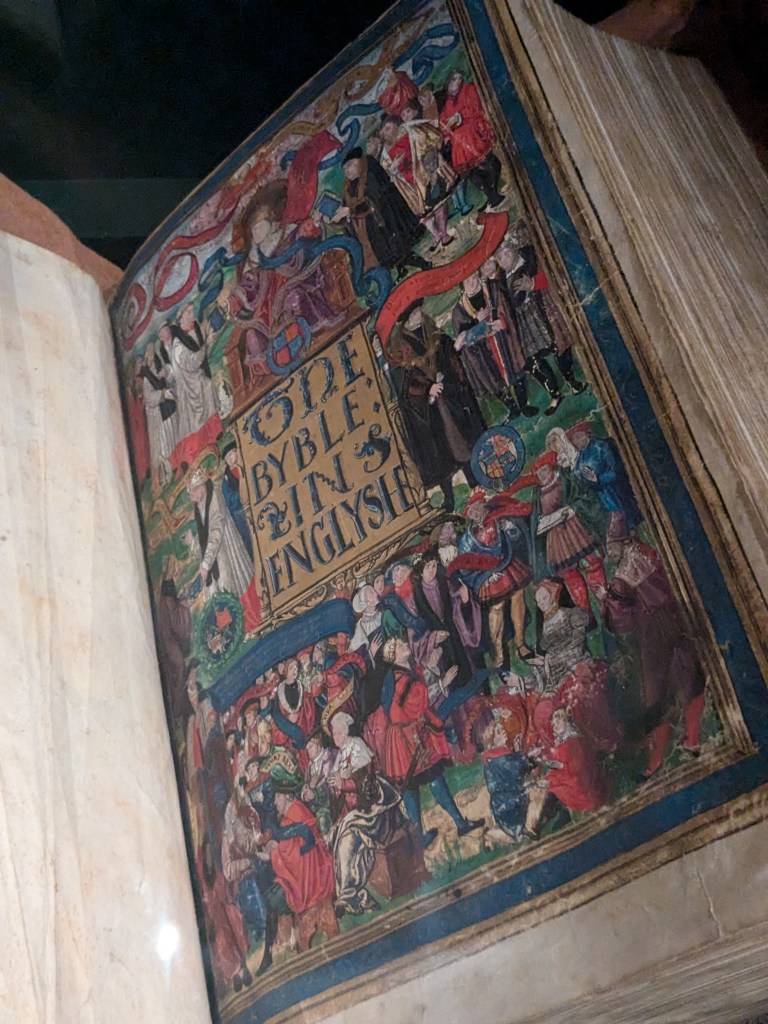
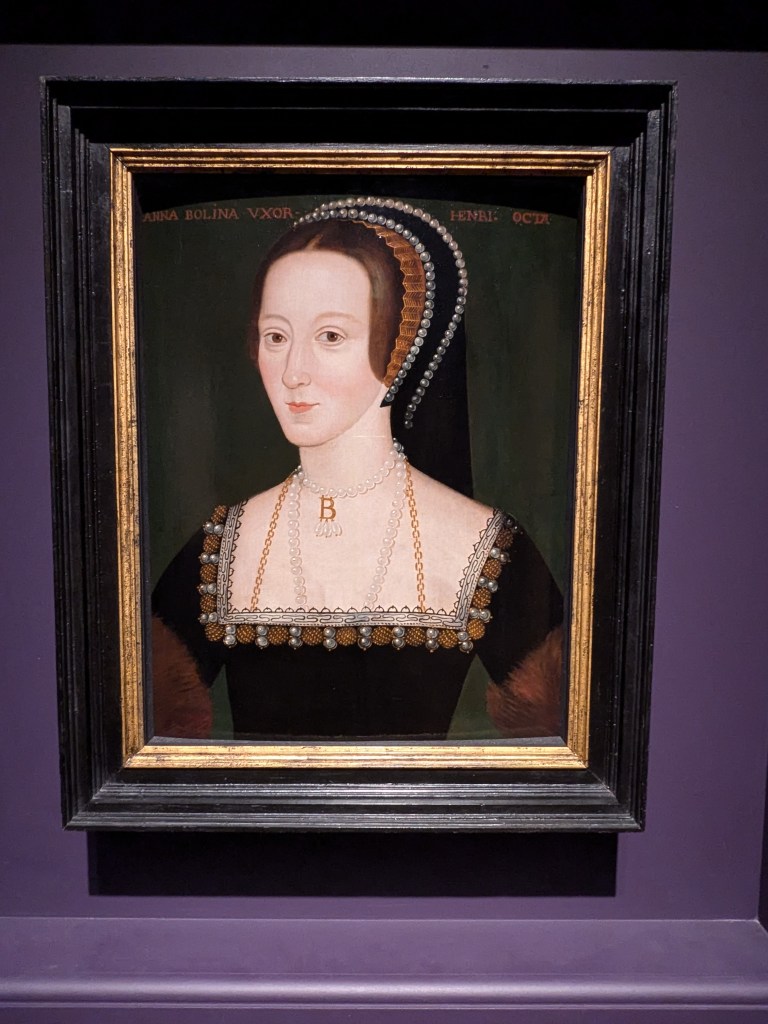
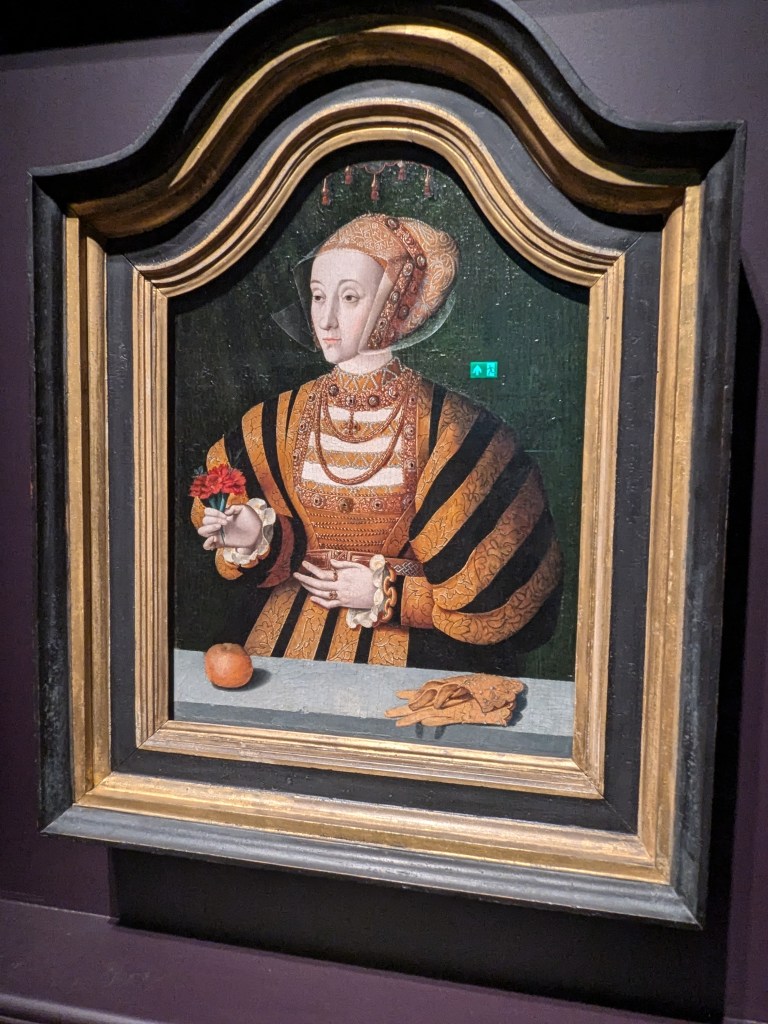
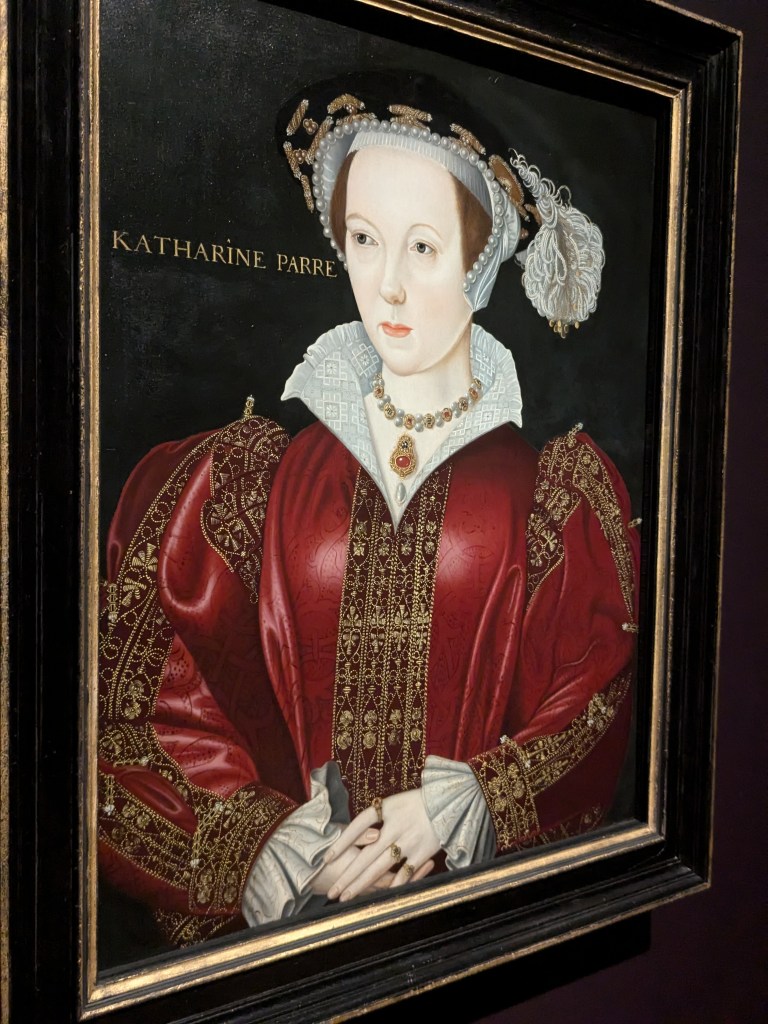
Today I visited Six Lives: The Stories of Henry VIII’s Queens at the National Portrait Gallery. Forgot all about real life while in there.

These photos of waxworks by Hiroshi Sugimoto gave me chills!

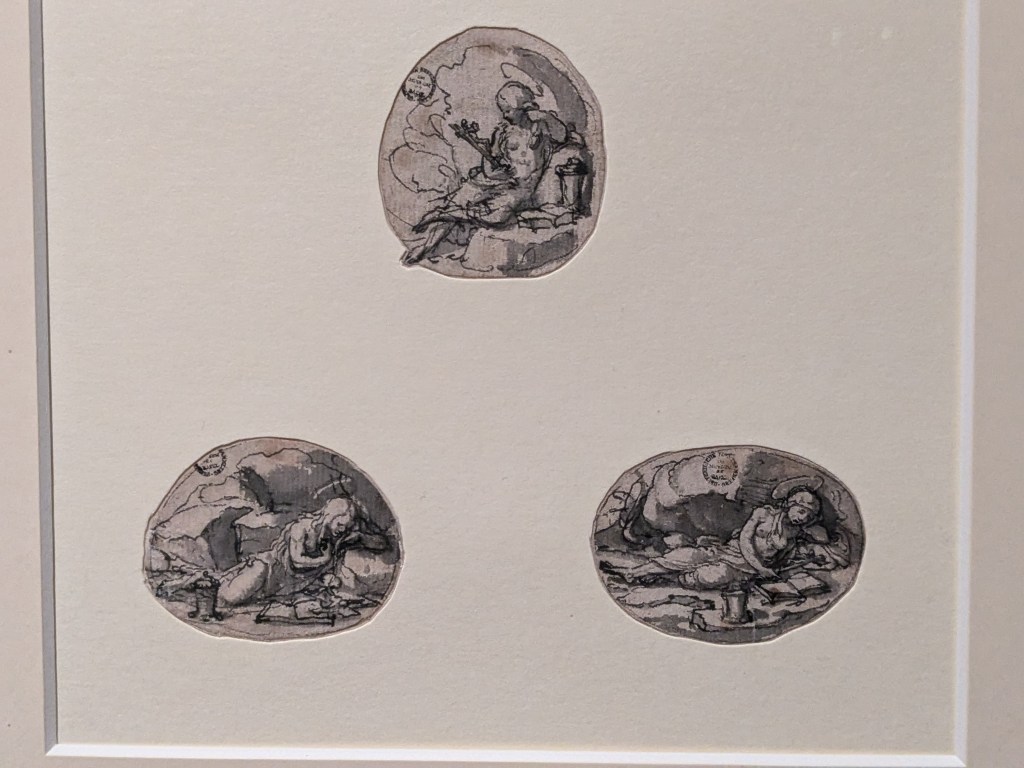
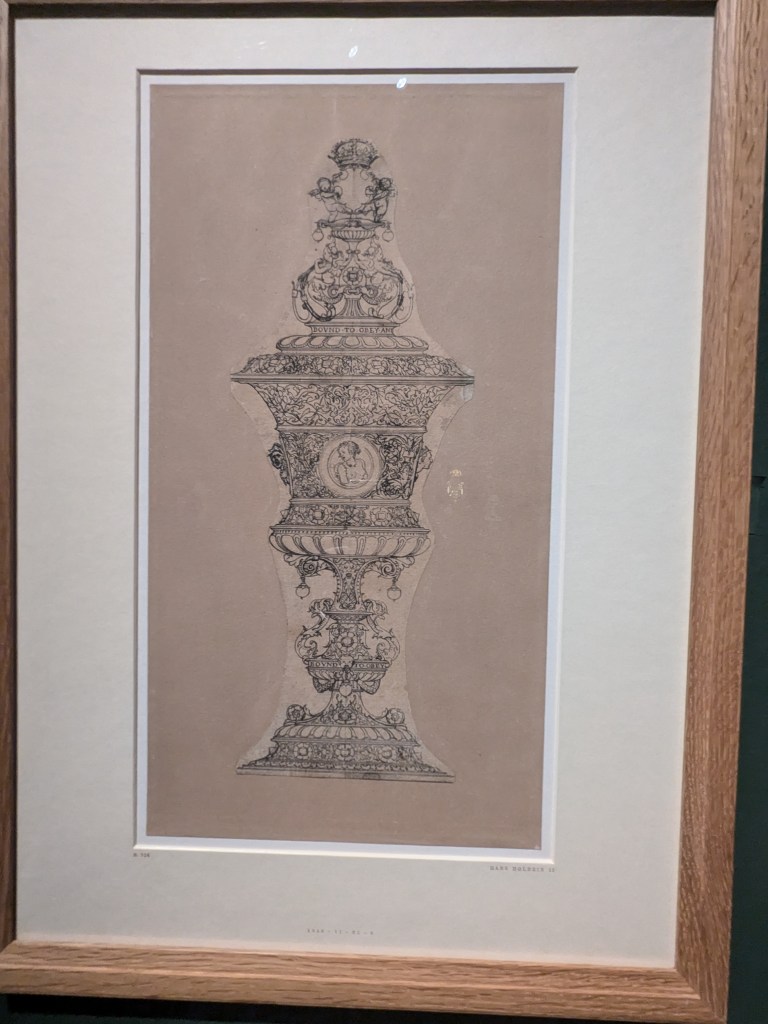
Many Holbein portraits of course, as well as delightful ink drawings of designs for cups and pendants.

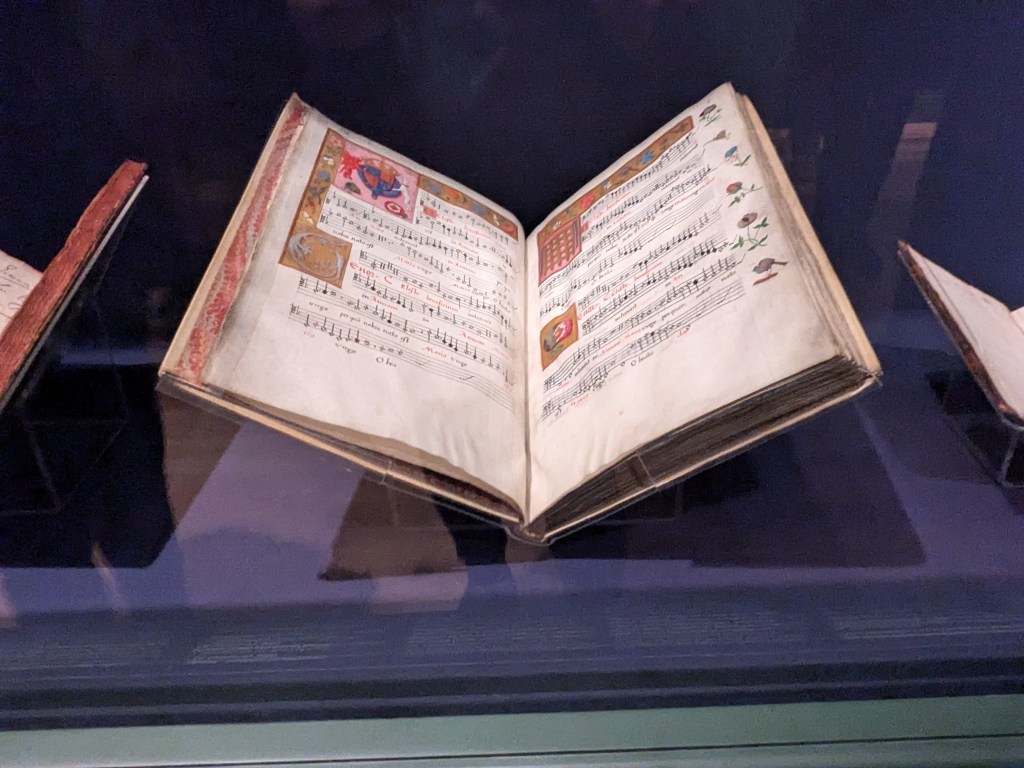
An early 16th century choirbook and The Great Bible – the first authorised translation of the Bible into English. So beautiful!

Just fabulous.

Having the Six soundtrack cycling through my head did not distract from the experience.

Dream 21/08/24

I’ve noticed that dreams resemble the concerns of waking life more literally during those 10-15 minute snoozes when you drop straight back into a light dream state, than during those longer and deeper periods of dream sleep. This may seem obvious, and important to keep in mind when indulging in dream interpretation.

But perhaps they can still be useful!

Example: I woke up in the early hours (that annoying 1.5 hours before alarm will go off when you feel awake but you KNOW you will drift off again about 10 mins before alarm and that extra 10 mins of sleep will make ALL THE DIFFERENCE to your day (even though you know by now that it won’t FFS just get up would you)), worrying about money, feeling a little like my spending had become out of control over the last couple of months, and how I would need to reign it in for some upcoming plans, including moving to part-time work hours in order to spend more time making art (now that I am an artist with a day job).

Eventually I was able to let go of the thoughts for a while and drift off into short, dream-filled snoozes. In one of the dreams I found myself in a block of toilets. It was very busy. A woman rushed into the cubical next to mine. She seemed upset and I was afraid she would be sick. Through the gap between the bottom of the partition and the floor I could see the woman’s handbag. When she got up to leave she inadvertently kicked it across the floor into the cubicle next to her. She didn’t notice and she left without it!

The handbag meaning seems obvious. Handbag = money (also, having it all together, being prepared etc etc). Woman in a rush, lost her handbag, hadn’t noticed it had gotten away from her – clearly related to my immediate waking worries about overspending and not paying attention to it for a time. No great mystery there.

But what about the toilet image? Toilets and bathrooms occur a lot for me in dreams. Perhaps I can use this dream to more accurately confirm their meaning?

I already suspect a link to an an early touchstone memory – a very strong and early memory of an event that has had a lasting impact. The fear that the woman in the dream was going to be sick was a bit of a clue to this. The memory: in my first home, in the downstairs toilet watching someone being violently sick. I recall feeling a shift somewhere in my brain, a feeling that something had changed and that things might never be the same again. I was frozen in fear, then began creeping away very slowly to get as far away as possible. As I was only 5 years old I couldn’t go far.

Given the situation, it is possible that toilets/bathrooms in dreams represent fear and lack of control for me, feeling trapped. This makes sense given that emetophobia is largely based on lack of control. And it makes sense as the worries around money are about not having been as accountable to myself and just feeling a bit out of control with spending recently.

So even though the meaning of THIS dream is obvious, related directly to what I was thinking about before drifting off, it also confirms to me the meaning of the less obvious dream image, one the recurs often*. Snooze dreams can be calibration dreams. I can apply this meaning to future dreams and pay more attention to the finer details.

Easy as that.

*Why didn’t my touchstone memory take place … I don’t know, at the Taj Mahal or Machu Picchu or something? Bognor Regis?

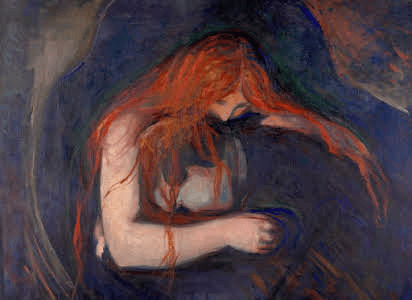
Edvard Munch (1)

“My fear of life is necessary to me, as is my illness. Without anxiety and illness, I am a ship without a rudder. My art is grounded in reflections over being different from others. My sufferings are part of my self and my art. They are indistinguishable from me, and their destruction would destroy my art. I want to keep those sufferings.”

Continuing my reading of ‘The Mind of the Artist’ by William Todd Schulz – such an insightful book. I’m on the chapter about how inspiration and creativity needs a seed to begin from, and that is the work of other artists.

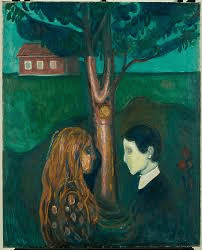
So, I am spending some time considering western art movements and those artists that speak to me. The top for me is Edvard Munch. I visited the Munch museum in Oslo last year and honestly I could have spent 3 whole days there rather than the 3 short hours that we had. Expressionism draws me in as I often want to paint feelings, emotions, all the inner stuff and sensations. From my Oslo visit I learned a lot more about Munch and his feelings about love, anxiety and death in particular and, well, glad to be part of the club!

The Vampire. Gives me a knot in my stomach.
Eye in Eye. There’s so much sense in this painting that he is just painting what he’s feeling and I get that now this is not such an extraordinary thing to do, but for Munch in the earliest 20th century, struggling to make money from his art and needing to rely on his father and a kindly aunt, to be creating this, it just takes me to his mind and erases the century, in the same way that reading the love letters of Abelard and Heloise did. You can feel the human nature of love and longing so strongly, I want to grasp my own experiences and communicate them in this way. How completely glorious.

I will research Munch more and hopefully take another trip to Oslo soon to spend more time in the Munch museum. I have a few unfinished paintings that I want to be in the style of Munch. I’m hoping with his work and writing as validation I will find the courage to let go a little more and see what comes. Very important to me to share quotes here for future reference.

Speaking of validation, another reason I admire Munch, he was one for having many ‘unfinished’ paintings that he would leave and come back to, rework and leave some more. I suspect this is a common thing among artists but good to have the validation from a master.

Holiday art and self-acceptance

I actually painted on holiday! And it would have been okay if I hadn’t. (maybe…)

I take pencils, pens, watercolours and brushes whenever I go on holiday, yet it has always been difficult for me to go beyond a quick pencil or pen sketch before giving up and allowing other distractions.

Now that I’ve declared myself an artist with a day job, I am determined to spend more time being an artist. No excuses now.

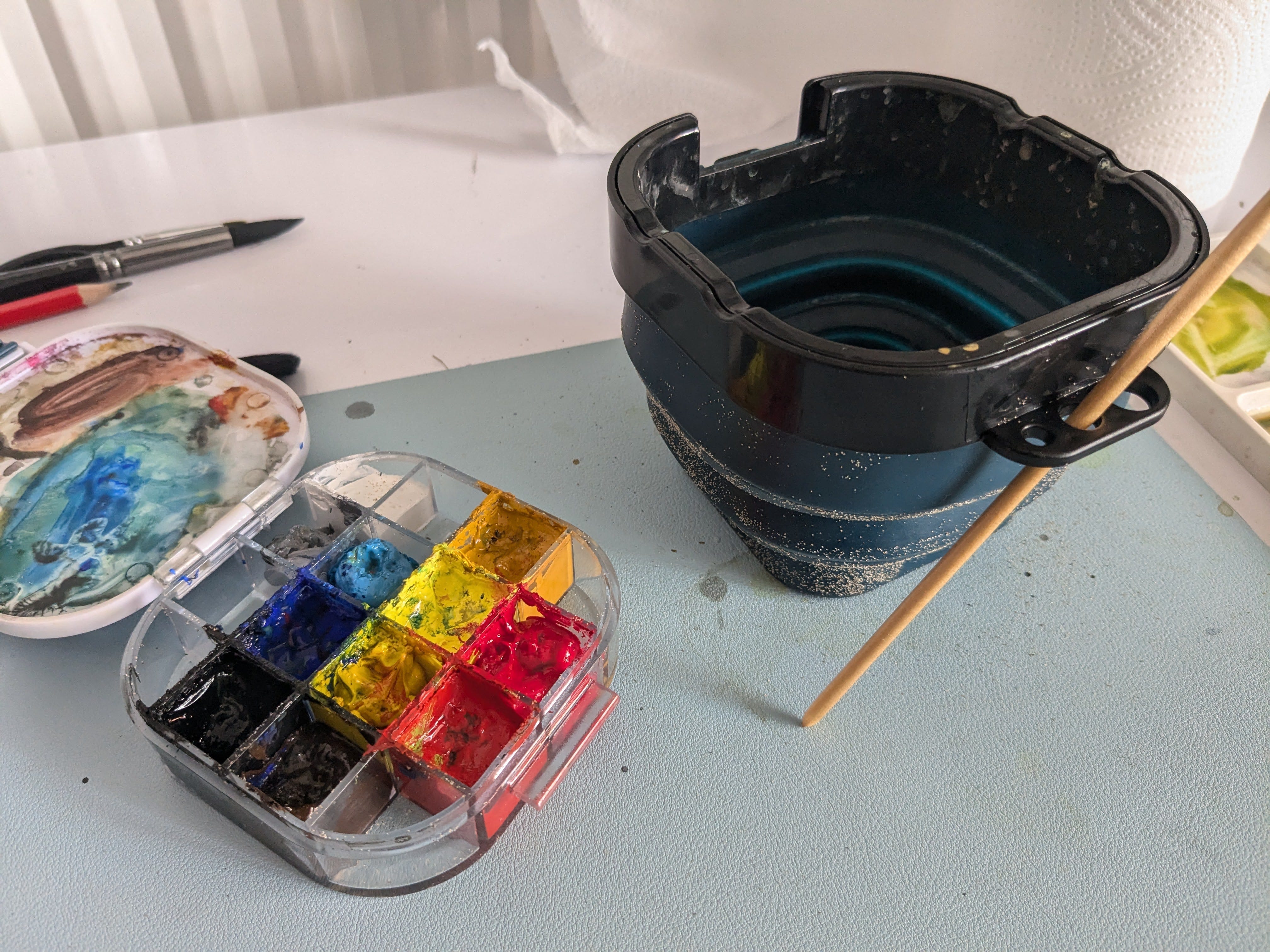
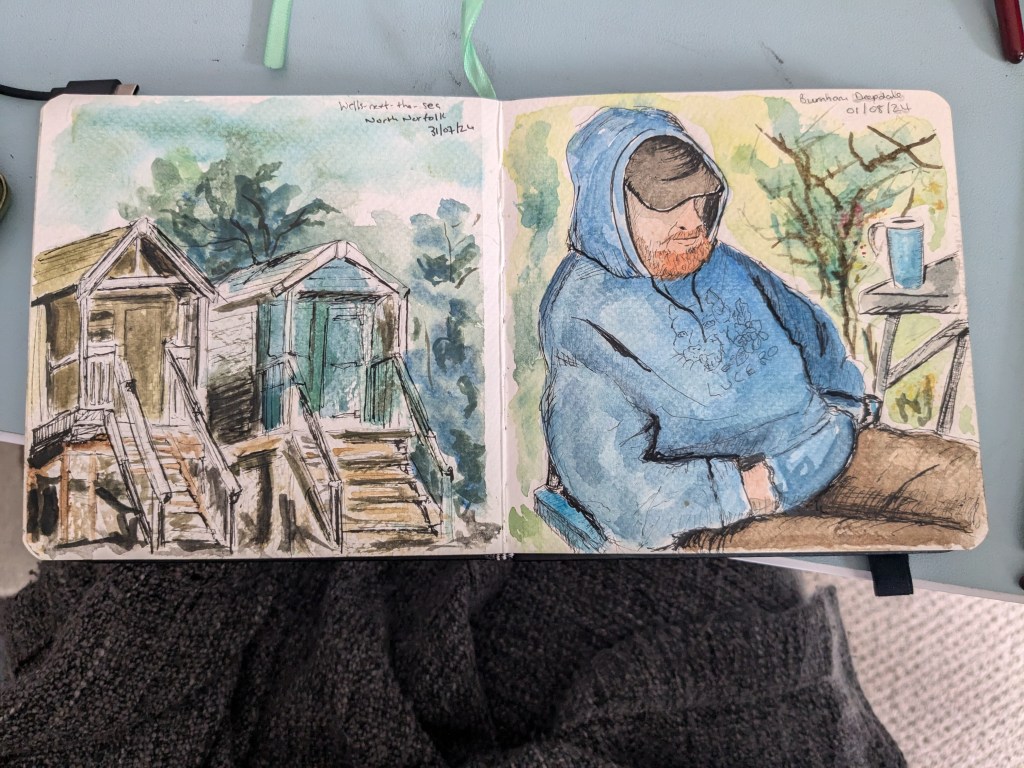
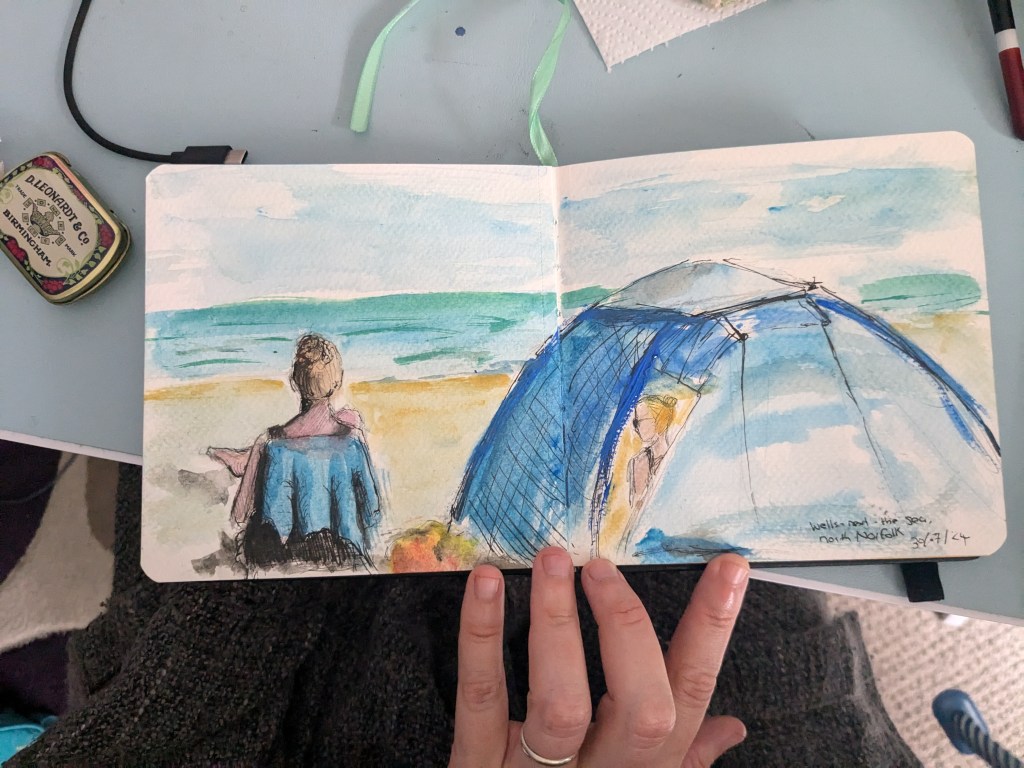
So, on my recent trip to north Norfolk, I painted! Yay! I curated some liquid watercolours into a portable air-tight pallet complete with fold-up water pot and brush holder. It is now messy and sandy and, most importantly, used!

I’m off to a great start on this ‘being an artist’ business. What I found was that once I had completed one painting I had the urge to start another one. So each day it became easier to pick up a brush and just paint what I saw. I loosened up throughout the week. The pressure was off and I was enjoying myself.

Of course, I was being a little hard on myself before. Even if just one quick pen sketch, I was still arting. I remind myself of this quote by Paul Rubin from his book, ‘The Creative Act: A Way of Being’:

“Living life as an artist is a practice.
You are either engaging in the practice
or you’re not.

It makes no sense to say you’re not good at it.
It’s like saying, “I’m not good at being a monk.”
You are either living as a monk or you’re not.

We tend to think of the artist’s work as the output.

The real work of the artist
is a way of being in the world.”

Self-analysis and self-consciousness lessened over the week, unable to take me out of some wonderful flow moments.

I’m not sure what the obstacles were before – likely some over-concern about messyness and all the usual ‘being on the go’ challenges you don’t get when sat with everything in its place on a desk at home. I was able to let go of a lot of that. Also there was probably the usual ‘if it’s not going to be great then why bother’ and ‘if you’re not going to spend more than an hour on it why bother’ etc etc.

I can’t give all credit to willpower and a nifty paint pallet though. I recognise that I was camping, plenty of outside time, no work, no typical daily responsibilities. Out of the routine for a few days really helps to increase awareness. It brings a newness to everything.

I’m currently reading ‘The Mind of the Artist’ by William Todd Schultz. I’m finding it so enlightening. It’s helping me understand some of my tendencies and some of the struggles I’ve been experiencing that I associate with needing to go to work (more specically, office interpersonal relationships, poor leadership and communication, rigid processes, excessive focus and concern over minor details..)

I will write more about this book when I’ve finished it. I hope it will help me make better informed decisions that are empowering and helpful to my creative process (and perhaps lay off a little of the pathologising …) although such decisions are never easy are they, when work and money are concered.

Mostly I am hoping the book will help with self-acceptance and is certainly highlighting my need for validation … and what’s wrong with that? Some things that I have always disliked about myself, been ashamed of and perhaps took as signs of mental illness, may in fact be a result of openness to experience, for example an unclear identy and unstable goals, excessive fantasing, disconnectedness from social groups, and an overabsorption with feelings and subjective states.